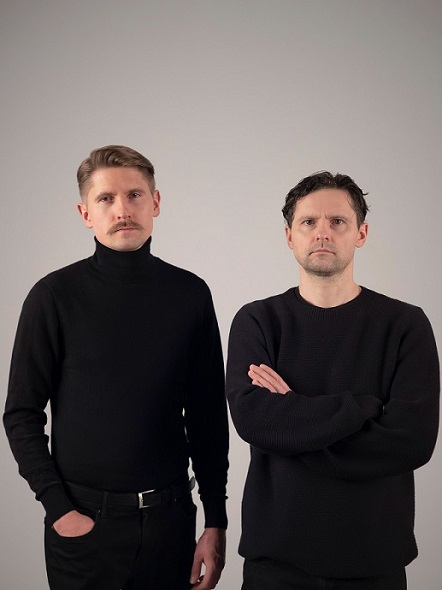
Palucki Studio is an independent design practice founded by brothers Mateusz and Robert Pałucki, focused on collectible furniture and functional objects created as unique pieces or in limited editions. Operating at the intersection of art, design, and craftsmanship.
Robert Pałucki brings advanced technical expertise to the studio, focusing on construction, precision, and the development of complex production methods. Together, the brothers work in close collaboration, combining intuitive sculptural work with engineering discipline. This partnership allows Palucki Studio to realize demanding objects in which material, structure, and function operate on equal terms. Palucki Studio functions as a space for research, experimentation, and production. Each piece is developed entirely within the studio, from initial concept to final execution, using rare materials and refined techniques that are not reproduced but reinterpreted. The studio’s practice is driven by a search for timeless forms and a belief in objects made to endure, both physically and culturally.
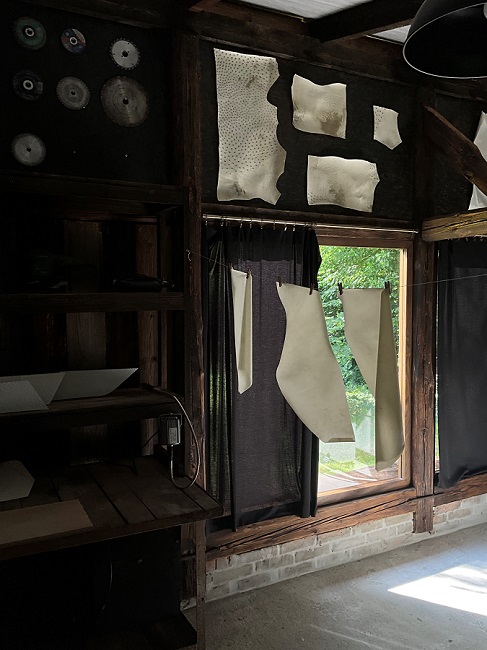
Atelier Palucki is both a place of creation and respect for the quiet passage of time.
Mateusz built the atelier from reclaimed materials, most notably nearly century-old beams and boards salvaged from an old family barn. Each beam carries its own story, preserved in the marks, textures, and imperfections that only time can carve into wood. These elements were not hidden or erased; they ere carefully restored to reveal their natural character. The beams were brushed to expose the grain and the raw, organic depth formed over decades of aging. Afterwards, they were treated using Shou Sugi Ban – a traditional Japanese wood-charring technique.
The workshop was designed to receive abundant natural light. Large windows frame the surrounding landscape, allowing work in direct dialogue with nature. The outside world becomes an ever-changing canvas — a continual source of inspiration. Inside this space, tradition and technology coexist. Here, we work using time-honored materials and techniques while integrating modern tools.
Each object is conceived to exist beyond trends, grounded in material integrity, and durability rather than immediacy.
The work is shaped through a shared practice, where material sensibility and technical precision inform one another. An interest in tension defines the approach: between utility and autonomy, control and intuition, refinement and rawness. Each piece occupies a precise position between furniture and sculpture, where function does not dominate form, and form does not deny use. Limited editions and unique works reflect a commitment to restraint and collectibility. Production remains intentionally reduced, allowing each object to retain its singularity, material clarity, and long-term relevance.